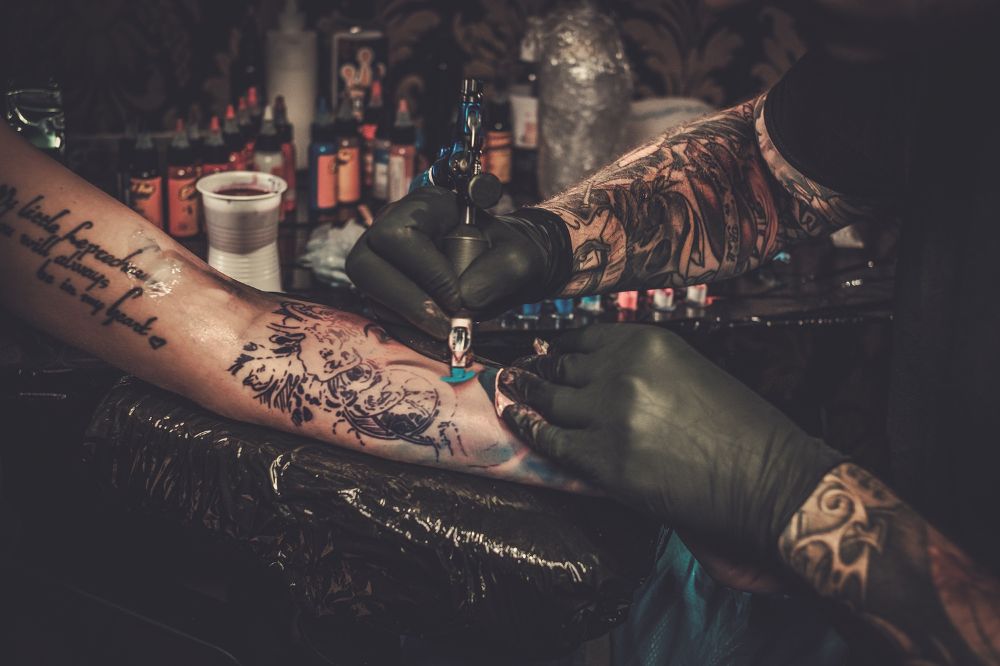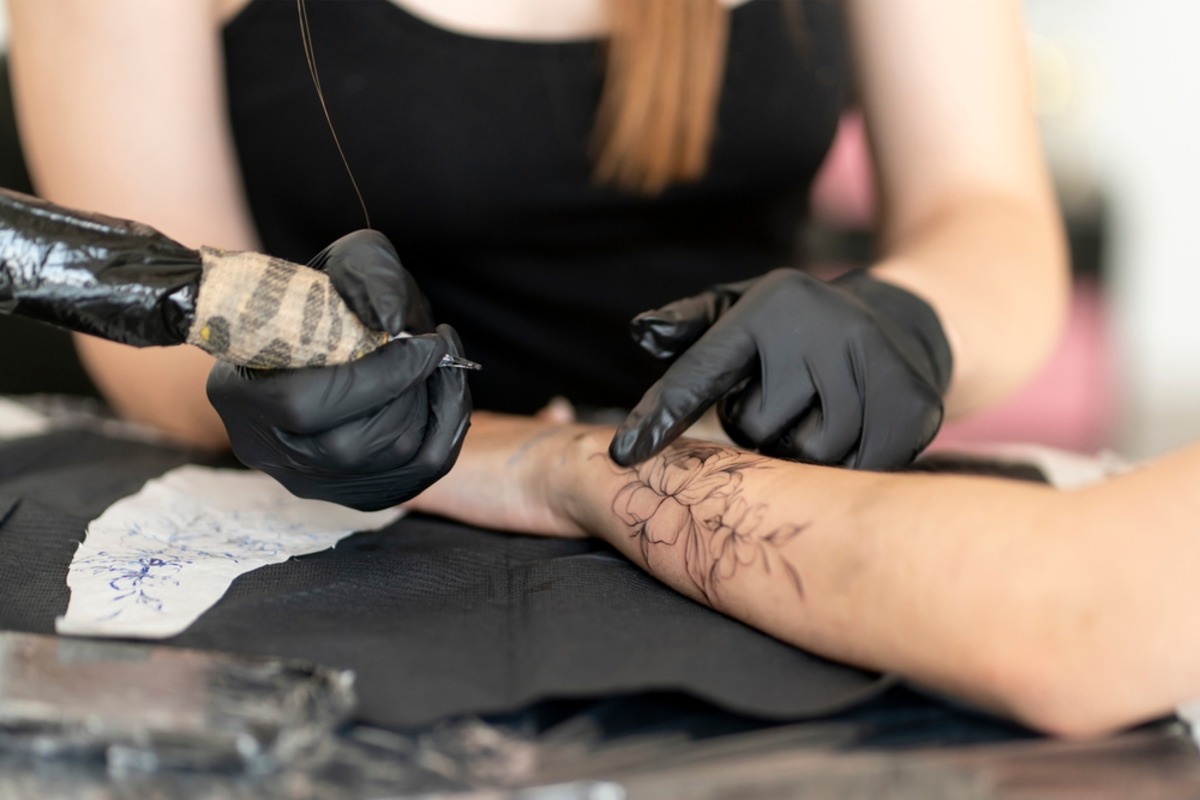
To heal a tattoo perfectly, you must keep the area clean, hydrated, and protected from external bacteria for at least two to three weeks.
The process begins with leaving the initial bandage on as directed, followed by gentle washing with a fragrance-free soap and applying a thin layer of specialised ointment.
Avoiding direct sunlight, tight clothing, and submerged water like pools or baths is essential to prevent fading or infection during the critical recovery phase.
Why is the First Stage of Healing So Important?
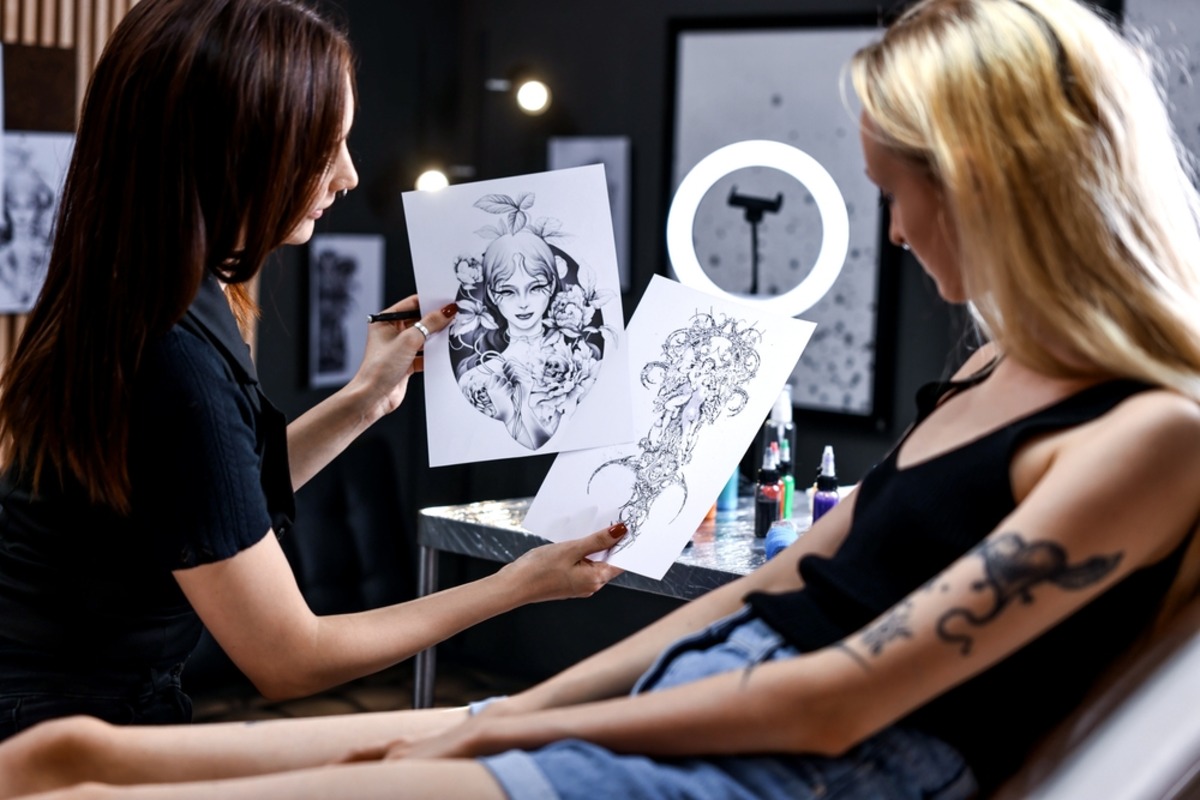
The first few hours after getting a new piece of art are the most vital for long-term vibrancy. If you have recently visited a studio for tattoos in Tulsa, your artist likely applied a medical-grade bandage or wrap to protect the open skin.
This barrier prevents airborne bacteria from entering the site while the body begins its natural repair process. It is normal to see a bit of fluid or ink buildup under the wrap during this time.
Once you remove that initial covering, the skin needs to breathe, but it must stay protected from the environment. Proper care during these first forty-eight hours sets the foundation for how the ink settles into the dermis.
Taking these steps seriously ensures that the fine lines stay crisp and the colours remain as bold as the day they were applied.
How Do You Clean Your New Art Safely?
Cleaning is the most frequent task you will perform over the next fortnight. When looking for a tattoo shop near you, always ask your artist which specific soaps they recommend for your skin type.
You should use lukewarm water and your clean fingertips to wash away any excess plasma or dried ink gently. Never use a washcloth or loofah, as these are too abrasive and can harbour bacteria that might cause an unwanted reaction.
After washing, you should always pat the area dry with a clean, disposable paper towel rather than a bathroom towel. Regular towels can leave behind lint or transfer germs to the sensitive area.
Once dry, let the skin air out for a few minutes before applying any products. This simple routine keeps the surface sterile without causing unnecessary irritation to the healing tissue.
What Are the Best Products for Skin Recovery?
Choosing the right moisturiser can make the difference between a smooth recovery and a scabby one.
Following specific tattoo aftercare tips usually involves using a very thin layer of ointment for the first few days, followed by a fragrance-free lotion.
The goal is to keep the skin supple so it doesn’t crack, but you must avoid “suffocating” the tattoo with too much product, which can pull ink out of the skin.
| Product Type | When to Use | Purpose |
| Antibacterial Soap | Days 1–14 | To keep the site sterile and clean |
| Healing Ointment | Days 1–3 | To provide a heavy moisture barrier |
| Unscented Lotion | Days 4–21 | To prevent peeling and itching |
| Sunscreen | After 3 weeks | To protect the art from UV fading |
Can Lifestyle Choices Affect Your Final Result?
Your daily habits play a huge role in how to heal a new tattoo properly without complications. For example, you should avoid heavy exercise that causes excessive sweating around the tattooed area for at least a week. Sweat can carry bacteria into the pores and irritate the skin.
Additionally, tight clothing can rub against the healing site, potentially pulling off scabs prematurely and leaving “blank spots” in your design.
Sleeping is another factor to consider, especially if your new ink is on your back or shoulders. Try to sleep in a position that doesn’t put direct pressure on the art.
If you wake up and find your clothing or sheets stuck to the tattoo, do not rip them off. Take the fabric to the sink and soak it with cool water until it slides away easily to avoid damaging the delicate new skin.
What Should You Avoid During the Peeling Phase?
Around the end of the first week, your tattoo will likely begin to peel or flake, much like a sunburn. It may also become incredibly itchy. You mustn’t pick, scratch, or peel the skin yourself.
Those flakes are still attached to ink that is settling into your body; pulling them off too early can result in permanent scarring or loss of colour.
If the itching becomes difficult to handle, you can gently tap the area with clean hands or apply a little bit more lotion. Keeping the skin hydrated is the best way to minimise the “tight” feeling that leads to itching.
Remember that your body is working hard to create a new protective layer over the pigment, and patience is the best tool you have during this stage of the journey.
How Do You Maintain Your Ink for the Long Term?
Once the peeling has stopped and the skin feels smooth again, your tattoo is “surface healed,” but the deeper layers are still recovering. For the next several months, the sun is your greatest enemy.
UV rays break down ink particles, causing them to blur and fade over time. Always apply a high-SPF sunscreen over your healed tattoos whenever you are outdoors to keep them looking fresh for years.
Staying hydrated and keeping your skin moisturised generally will also help your art look its best. When the skin is dry and ashy, the tattoo underneath looks dull.
A simple daily application of lotion can “wake up” the colours and keep the lines looking sharp. Treating your skin well is a lifelong commitment to protecting the investment you made in your body art.
Preserving the Beauty of Your Body Art
Your tattoo is a permanent part of your story, and the care you provide during the initial days determines how well that story will be told.
Following a proper care routine and being patient about the peeling process will help you make sure that your investment remains a masterpiece.
At Bold Body Arts, we take pride in every line we pull and every shade we blend. We are committed to making sure you leave our studio with the knowledge and confidence to care for your new art perfectly. Our team is always here to answer your questions and provide the support you need as your skin recovers.
If you are ready to plan your next piece or need advice on a healing design, we welcome you to reach out and start your next creative chapter with us.
📍 Find Us on Google Map
FAQs
Is it normal for a new tattoo to feel warm?
A little bit of heat and redness is normal for the first day or two, but it should fade quickly.
Can I go swimming if I keep the tattoo covered?
No, you should avoid all pools, lakes, and hot tubs for at least two weeks to prevent infection.
How long does the entire healing process take?
The surface heals in about two to three weeks, but the deeper layers take up to two months.
What should I do if I think my tattoo is infected?
If you see spreading redness, yellow discharge, or have a fever, contact your artist and a doctor immediately.